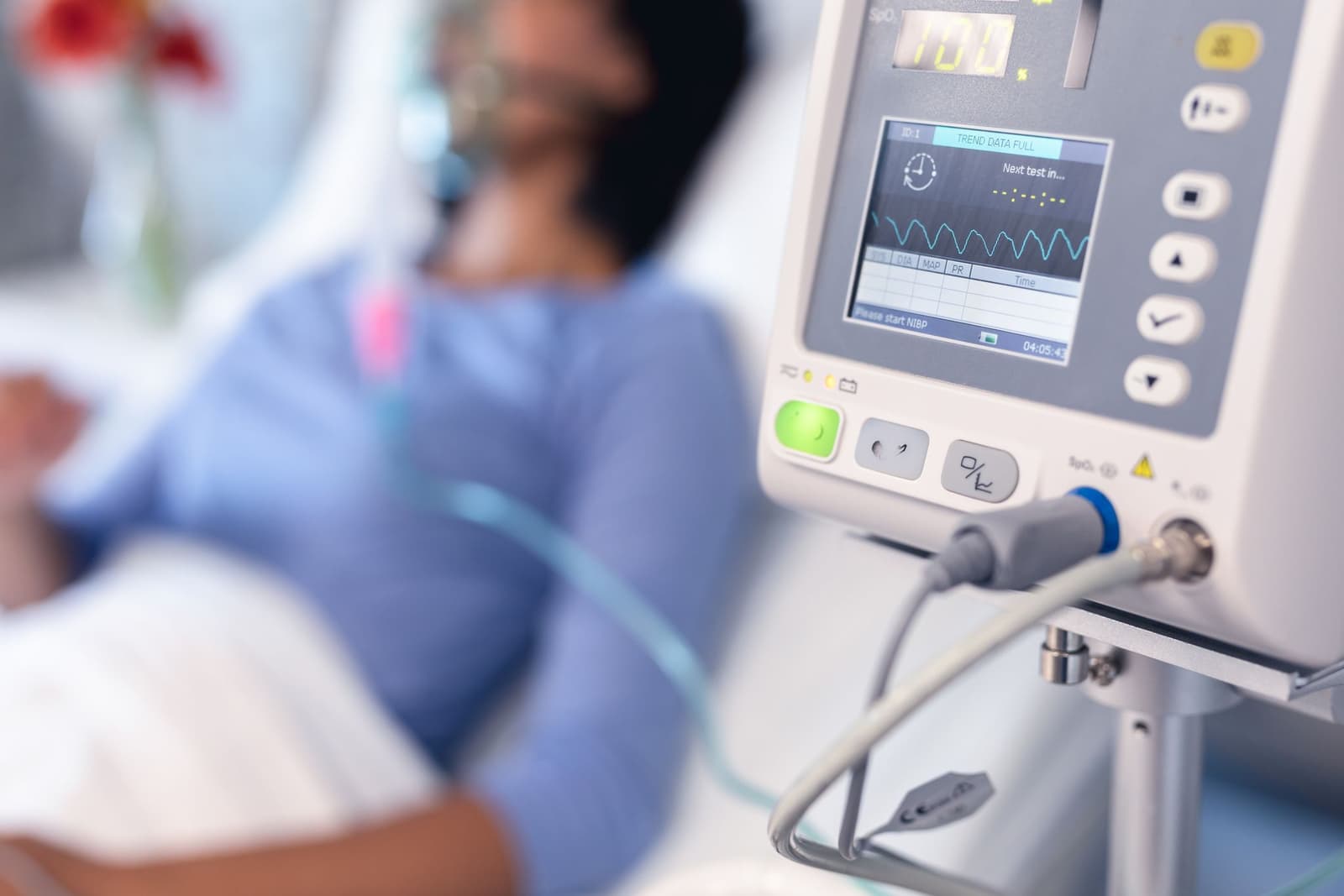
What is IPD & How does it Work?
If you or someone close to you has ever been admitted to a hospital for more than just a routine check-up, you have already experienced what is known as IPD. It is also one of the most significant sections of any hospital, and knowing about it can save you a lot of time and can make you stop being confused not only when trying to understand a hospital bill or an insurance policy but also how medical assistance is structured.
Let us break it all down in plain, simple language and understand the importance of IPD in a hospital.
What Is IPD in Hospital and Its Full Form
The full form of IPD is Inpatient Department. It is a section of a hospital in which the patients are officially admitted and have at least one night or more to stay and get medical attention. This is unlike in OPD (Outpatient Department) where you go to the doctor, get your prescription and walk back home the same day.
The IPD meaning in hospital goes beyond just a bed and a room. It entails a 24 hour nurse, periodic doctor appointments, diagnostic exams, medication, food and comprehensive medical care during your stay. In simple terms, the role of IPD in hospital care comes down to this: it is the department that takes over when your condition needs more than a quick consultation. The Inpatient Department, full form of IPD, says it all as it is designed for patients who need to be inside the hospital until they are well enough to go home.
How does IPD Work in a Hospital?
All the needs of the patient which include food and medicine or even emotional support are all addressed in the hospital during his or her stay. There is also a medical personnel on hand and any alterations in the patient are monitored and responded to as early as possible. Learning how the IPD operates will make you feel better prepared when and if the time comes. The following is a step by step overview of the process:
- Admission: A physician in the OPD, or the emergency department prescribes the admission of the patient. The patient is then enrolled into the IPD system.
- Ward or Room Allotment: Ward or room allotment depends on the medical condition and the wish of the patient who is given a general ward, semi-private room or a private room.
- Treatment Plan: The treating doctor creates a care plan, which may include medicines, procedures, surgeries, or therapies.
- Follow-up: The patient is regularly monitored by nurses and physicians and the vitals are measured, the medications are replenished and any alterations in the state are reported.
- Discharge: The doctor provides a discharge summary that provides follow-up instructions to the patient when he or she is fit to go home safely.
IPD in Health Insurance: What You Should Know
In India, the vast majority of typical plans of health insurance are designed and structured specifically around IPD hospitalisation. This implies that in case you are hospitalised and you spend a period of over 24 hours in the hospital your insurer usually intervenes to pay the expenses, which would otherwise be quite costly. Understanding what is IPD in insurance has the advantage of letting you know precisely what your policy is actually doing for you.
So, what does IPD cover in insurance? The following are what is normally involved:
Renting and nursing fees. Doctor and surgeon fees Operation theatre charges Drugs and items consumed at the hotel. Such diagnostic tests as blood tests, X-rays, and scans. ICU charges, if applicable Pre and post-hospitalisation costs on a fixed number of days.
Always a good tip is to read your policy document and be aware of the specific coverage limits, sub-limits on room rent and also a waiting period which might exist in your policy. Hospitalisation in network hospitals is also made cashless and all forms of IPD are made much smoother since the insurer pays the hospital directly without you having to arrange the funds beforehand.
Types of Treatments Covered Under IPD
Why is IPD important in hospitals? Without a well-functioning inpatient department, hospitals simply could not handle serious or complex medical conditions. The importance of IPD in the healthcare system is equally significant at a broader level, as it ensures that patients who truly need continuous care receive it in a safe, monitored environment. This is also why IPD is important in hospitals: it bridges the gap between emergency care and full recovery, giving patients the time and support they need to heal properly.The importance of IPD in hospitals becomes very clear when you look at these categories.
Surgical Treatments
They involve scheduled procedures like removal of appendices, knee replacement surgery, heart bypass or even deliveries that have to be done by caesarean. Any operation which needs the patient to spend a night is considered as IPD and all the post-operative management is taken care of at the department.
Medical Treatments
Such diseases as typhoid, dengue, pneumonia or a severe asthma attack frequently necessitate inpatient care. The patients require IV fluids, constant medication and constant attention, which is handled under the IPD until they are stable enough to go home.
Maternity and Newborn Care
Whether a normal or a caesarian birth, childbirth is addressed under IPD. Newborn care in the NICU is also part of the inpatient setup, ensuring both mother and baby receive the attention they need during those critical early days.
Critical and Intensive Care
The ICU is a specialised unit of the inpatient department in which patients recovering after a heart attack, stroke, or major accident are admitted to obtain even more intensive monitoring.
Conclusion
The Inpatient Department is the backbone of hospital care for anyone who needs more than a quick visit to a doctor.The inpatient department is attentive and meticulous with regard to anything that takes place to a patient between the moment of admission and the discharge period. The knowledge of what IPD is, the way it works, and what it covers in your insurance policy will enable you to make better decisions when you have health issues. Whether you are organising a procedure or you have received some unexpected illness, you will be in far better position in knowing how IPD works.
Frequently Asked Questions
What constitutes a patient who is an IPD case?
A patient is an IPD case when he/she is formalistically admitted to a hospital and stays at least 24 hours. This usually occurs in cases of the condition necessitating constant monitoring, surgery, or treatment which may not be achieved during a single outpatient behavior.
What is the importance of IPD in hospitals?
The significance of IPD is that it offers 24-hour services to patients with intense, complicated, or post-operative conditions. It also makes sure that there are trained medical personnel at all times to monitor, treat and provide a response to any change in the condition of the patient during the stay.
Is IPD treated as a health insurance service?
Yes, the IPD hospitalisation is covered by most health insurance plans in India. This is in terms of room charges, doctor fees, cost of surgery, medicines, and diagnostic tests as long as the patient is admitted over 24 hours and the condition falls under the terms of the policy.
What is the duration of stay of a patient under IPD?
The duration of stay is only determined by the medical ailment and the response of the patient to treatment. It may take one or two days when performing minor procedures, several weeks in case of serious illnesses or major surgery. The doctor in charge makes decisions on when the patient can be discharged.